

As businesses grow and evolve, the need for efficient, scalable, and secure accounting systems becomes even more critical. Cloud-based accounting solutions have emerged as a transformative tool, providing businesses with the flexibility and power to manage their finances more effectively. These solutions offer numerous benefits, but they also come with certain challenges that need to be carefully considered. In this article, we will explore the key benefits and challenges associated with adopting cloud-based accounting solutions.
Benefits of Cloud-Based Accounting Solutions
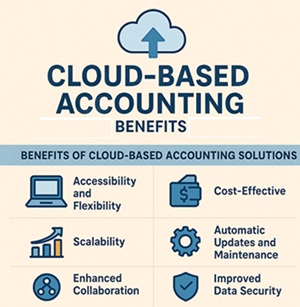
Accessibility and Flexibility
One of the most significant advantages of cloud accounting software is its accessibility. Unlike traditional accounting software, which is typically installed on a single computer or server, cloud-based solutions allow businesses to access their accounting data from any device with an internet connection. This level of flexibility is particularly valuable for remote teams, multi-location businesses, or businesses with traveling executives. Users can access real-time financial information anytime, anywhere, ensuring they are always in the loop.
Cost-Effective
Cloud accounting systems often come with lower upfront costs compared to traditional accounting software. Many cloud solutions operate on a subscription-based model, where businesses pay a monthly or annual fee. This eliminates the need for expensive hardware, software licenses, and IT maintenance costs, making it an appealing choice for small and medium-sized enterprises (SMEs). Additionally, cloud-based solutions often include automatic software updates and customer support, further reducing overhead costs.
Scalability
As a business grows, its accounting needs become more complex. Cloud accounting software is highly scalable, allowing businesses to add users, features, or integrations as needed. Whether you’re expanding into new markets, increasing the number of transactions, or adding more employees, cloud-based solutions can grow with you, ensuring you have the tools necessary to handle increased demands without having to overhaul your accounting system completely.
Data Backup and Recovery
Cloud-based systems automatically back up data to secure servers, reducing the risk of data loss due to hardware failures or disasters. In the event of an issue, businesses can quickly recover their financial records, ensuring continuity and minimizing downtime.
Enhanced Collaboration
Cloud accounting systems improve collaboration between team members, accountants, and external stakeholders such as auditors or financial consultants. Real-time data sharing allows for more efficient communication, quick decision-making, and easier collaboration on financial reporting or audits. Businesses can provide controlled access to specific individuals based on their roles, ensuring that the right people have access to the relevant data.
Improved Data Security
While some may have concerns about storing financial data in the cloud, most cloud-based accounting solutions employ strong encryption and security protocols to protect sensitive information. Reputable cloud providers also implement regular data backups, ensuring that your financial data is protected from hardware failures, cyberattacks, or other disasters. Additionally, businesses can often set user permissions to restrict access to sensitive financial data, further enhancing security.
Challenges of Cloud-Based Accounting Solutions
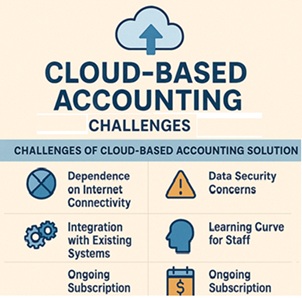
Dependence on Internet Connectivity
Cloud accounting systems rely on internet connectivity to function. While internet access is increasingly ubiquitous, any interruptions to service can hinder access to accounting data. If a business operates in an area with unreliable internet, cloud accounting software may not be the best choice. Additionally, businesses need to ensure that they have a robust backup plan for internet outages, especially for mission-critical operations.
Data Security Concerns
While cloud-based systems often offer strong security features, there is still the risk of data breaches or cyberattacks. Businesses must carefully vet their cloud service providers, ensuring they offer the necessary security measures to protect sensitive financial data. It’s essential to evaluate the provider’s security track record and make sure the system includes features such as encryption, multi-factor authentication, and regular security audits to mitigate risks.
Integration with Existing Systems
Many businesses already use a variety of software tools for operations, including customer relationship management (CRM) systems, enterprise resource planning (ERP) tools, and inventory management systems. Integrating a cloud accounting solution with these existing systems can sometimes be a complex task, especially if they are not designed to work seamlessly together. Before adopting a cloud accounting system, businesses should evaluate the compatibility of their current tools and consider any additional integration costs.
Vendor Lock-In
Once a business commits to a cloud accounting provider, migrating to another platform can be difficult and costly due to data compatibility issues or long-term contracts. This vendor lock-in can limit flexibility and make businesses hesitant to switch providers, even if better options emerge.
Learning Curve for Staff
Switching to a cloud accounting system may require staff to learn new software. While many cloud solutions are user-friendly, businesses may still face a learning curve as employees adapt to the new platform. Depending on the complexity of the software and the level of experience of the staff, businesses may need to invest time and resources into training. It’s essential to provide adequate support to ensure a smooth transition and minimize disruption to day-to-day operations.
Ongoing Subscription Costs
While cloud accounting solutions often offer lower upfront costs compared to traditional systems, they do come with ongoing subscription fees. These fees can add up over time, especially if a business needs to scale up the software or add more features. It’s important for businesses to carefully assess the long-term costs of using cloud-based accounting software and ensure that it remains cost-effective as the company grows.
Conclusion
Cloud accounting solutions offer businesses numerous benefits, including increased accessibility, cost-effectiveness, scalability, and security. However, they also come with challenges such as internet dependence, potential data security risks, and integration complexities. By carefully evaluating the specific needs of your business, Promoting USA can help you choosing the right provider, providing adequate training for your team, and assist you in the implementation. For more information, please get in touch with us.
I hope this article has been helpful. I will continue to post information related to trade channel management, general economy and market trends. If you are interested in this article or want to learn more about Promoting USA, please subscribe to stay updated on future articles.